Roller repair and replacement
Start here when the rollers sound worn, wobble in the track, grind during movement or make the door feel rough during daily use.
Book roller repair
Get local help when your garage door sounds louder than usual, shakes during travel, scrapes along the track, or feels rough when opening and closing.
Salmon River properties often include acreage driveways, detached garages, workshops, storage buildings and wider openings exposed to dust, moisture, gravel debris and heavier daily use. Worn rollers can make the door louder, increase track resistance, strain the opener and put extra stress on hinges, tracks and brackets.
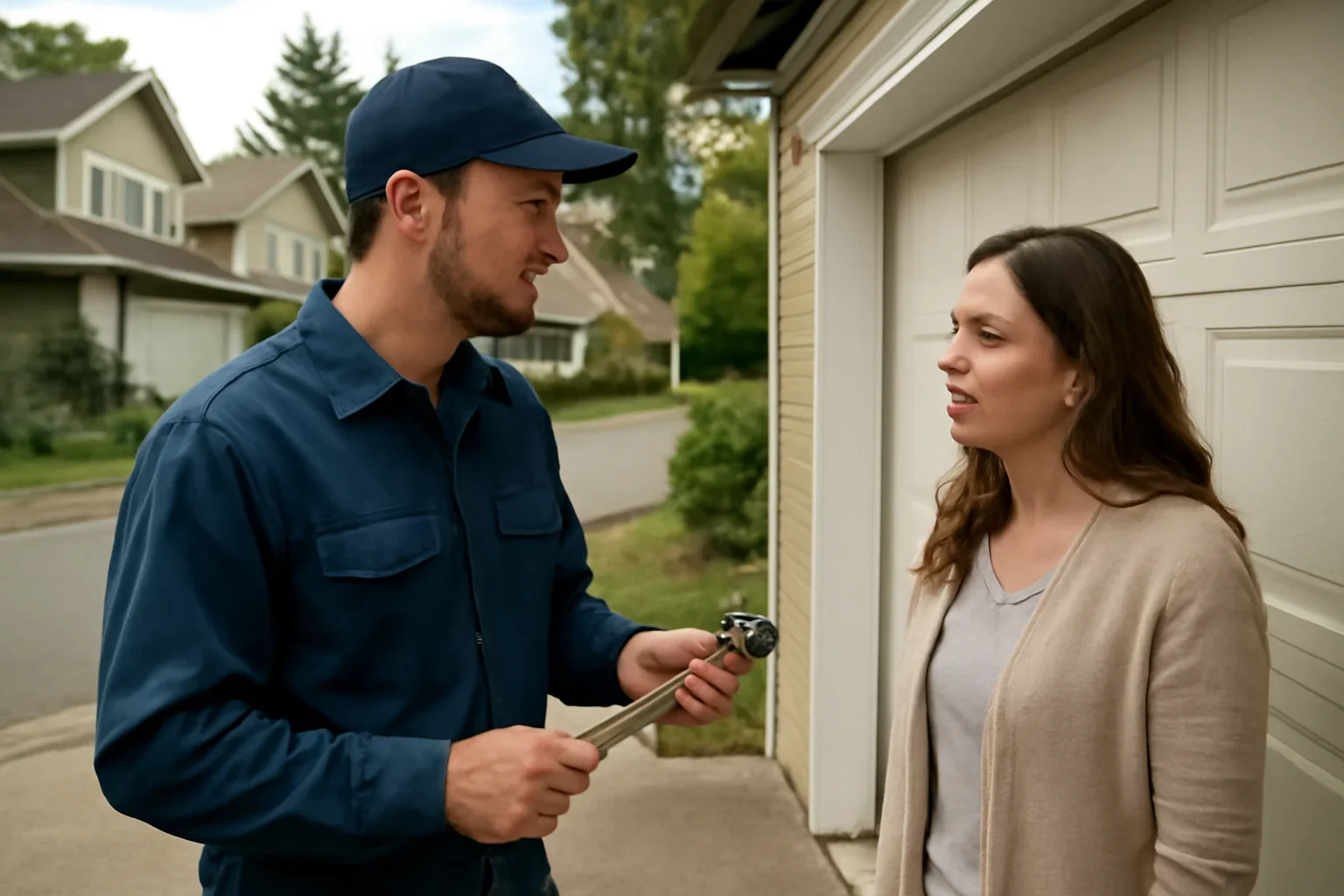
Book service when the door grinds, rattles, squeaks, shakes or moves roughly along the track.
Review garage door repair when rollers, tracks, hinges, brackets, cables or the opener may all be connected.
Use same-day repair when the door is stuck, crooked, off track, blocking access or no longer securing the garage.
Roller problems can show up as noise, vibration, scraping, jerky movement or resistance in the track. The repair should confirm whether the rollers are worn, seized, loose, out of position, or being affected by track alignment, hinge wear or door balance.
Start here when the rollers sound worn, wobble in the track, grind during movement or make the door feel rough during daily use.
Book roller repairWorn rollers can be made worse by bent tracks, loose brackets, debris, poor alignment or a door that is no longer travelling squarely.
View garage door repairIf the opener strains, reverses, stalls or sounds louder while the door moves roughly, the door hardware should be checked before blaming the opener alone.
View opener repairSome noise is related to dry moving hardware, but worn rollers, damaged tracks or unsafe movement should be inspected before normal use continues.
Read the lubrication guideSend a short description of the sound, where it happens, and whether the door shakes, scrapes or stops in the same place. Photos or a short video can help separate roller wear from track, hinge, cable, spring or opener issues.

Salmon River homes and properties often use garages for more than parking. Detached shops, storage bays, equipment areas and rural driveways can mean more dust, moisture, vibration and daily cycling than a lightly used suburban garage.
A practical roller repair recommendation should consider the full door system. Roller condition, track shape, hinge wear, opener strain, door weight, ceiling clearance and whether the garage is attached or detached can all change the best repair path.
Include whether the garage is attached or detached, whether the door is open or closed, when the noise happens, and whether the door shakes, scrapes, sticks or reverses during movement.
Rollers guide the door through the track. When they wear down, loosen or stop turning smoothly, the door can become louder, rougher and harder on the opener and surrounding hardware.
Grinding, rattling, squeaking or rumbling can point to worn rollers, dry hardware, loose hinges or track resistance.
Shaking or jerky travel may come from worn rollers, uneven track contact, loose hardware or a door that is no longer balanced well.
A visibly loose, cracked, tilted or out-of-position roller should be reviewed before the door is used repeatedly.
If the motor works harder while the door moves roughly, roller friction or track resistance may be affecting the opener.
Do not force a noisy, crooked, jammed or off-track door to keep moving. Avoid trying to pop rollers back into the track, loosen brackets, adjust springs or pull cables. If the door looks unstable, stop using it and book repair service.
The goal is to confirm whether the rollers are the main issue or whether another part is making the door travel poorly.
The first detail is whether the door grinds, rattles, squeaks, shakes, scrapes, sticks or stops in the same part of the track.
Rollers, tracks, hinges, brackets, cables, springs, door balance and opener behaviour should be checked together before the repair scope is confirmed.
After the approved repair, the door should be tested for smoother movement, safer travel, reduced strain and proper opener response.
Roller repair may be the right path when the door sections remain sound, the tracks are serviceable, and the main issue is worn, noisy or rough rollers.
Roller symptoms can overlap with track, hinge, cable, spring and opener problems. A broader repair may be needed when the door is unstable, uneven or physically binding.
These answers help you decide whether to request roller repair, general garage door repair, opener repair or urgent same-day service.
Roller repair is more urgent when the door is stuck, crooked, off track, hanging unevenly, blocking access or no longer securing the garage. Stop using the opener if the door looks unstable or binds during movement.
Common signs include grinding, rattling, squeaking, shaking, rough movement, visible roller wear, a door that sticks in the same place, or an opener that strains while lifting the door.
Yes. Worn rollers can increase friction and make the opener work harder. Continued use may strain the motor, rail, trolley, belt, chain or connected hardware.
Not always. Lubrication may help some moving hardware, but damaged rollers, bent tracks, loose hinges, worn brackets or door-balance issues may still need repair.
Share your Salmon River location, whether the garage is attached or detached, what sound the door makes, where the noise happens, whether the door is open or closed, and photos of the tracks and rollers if safe to take.
Yes. Rough travel can involve rollers, tracks, hinges, cables, spring balance, opener strain or more than one part at the same time. The full system should be reviewed before replacing parts.
Tell us where you are in Salmon River, whether the door is open or closed, what sound it makes, where the rough movement happens, and whether the opener is straining or reversing. Photos help confirm whether the issue involves rollers, tracks, hinges, cables, springs or the opener.