A lower panel is deeply dented
Vehicle, bicycle, storage or equipment impact can push a section inward and affect its shape, reinforcement or bottom seal.

Has one section of your garage door been dented, cracked, bent or pushed out of alignment? A single damaged panel may sometimes be replaced without changing the complete door, but only when a compatible section is available and the surrounding structure remains serviceable.
We help Willoughby homeowners compare panel replacement with complete garage door replacement. The decision should consider panel availability, door construction, insulation, colour, exterior style, hardware condition and whether the impact affected tracks, hinges, rollers or opener operation.
Serving detached homes, row homes and townhouse garages throughout Willoughby. Panel availability and appointment timing depend on the door model, damage, address and required parts.
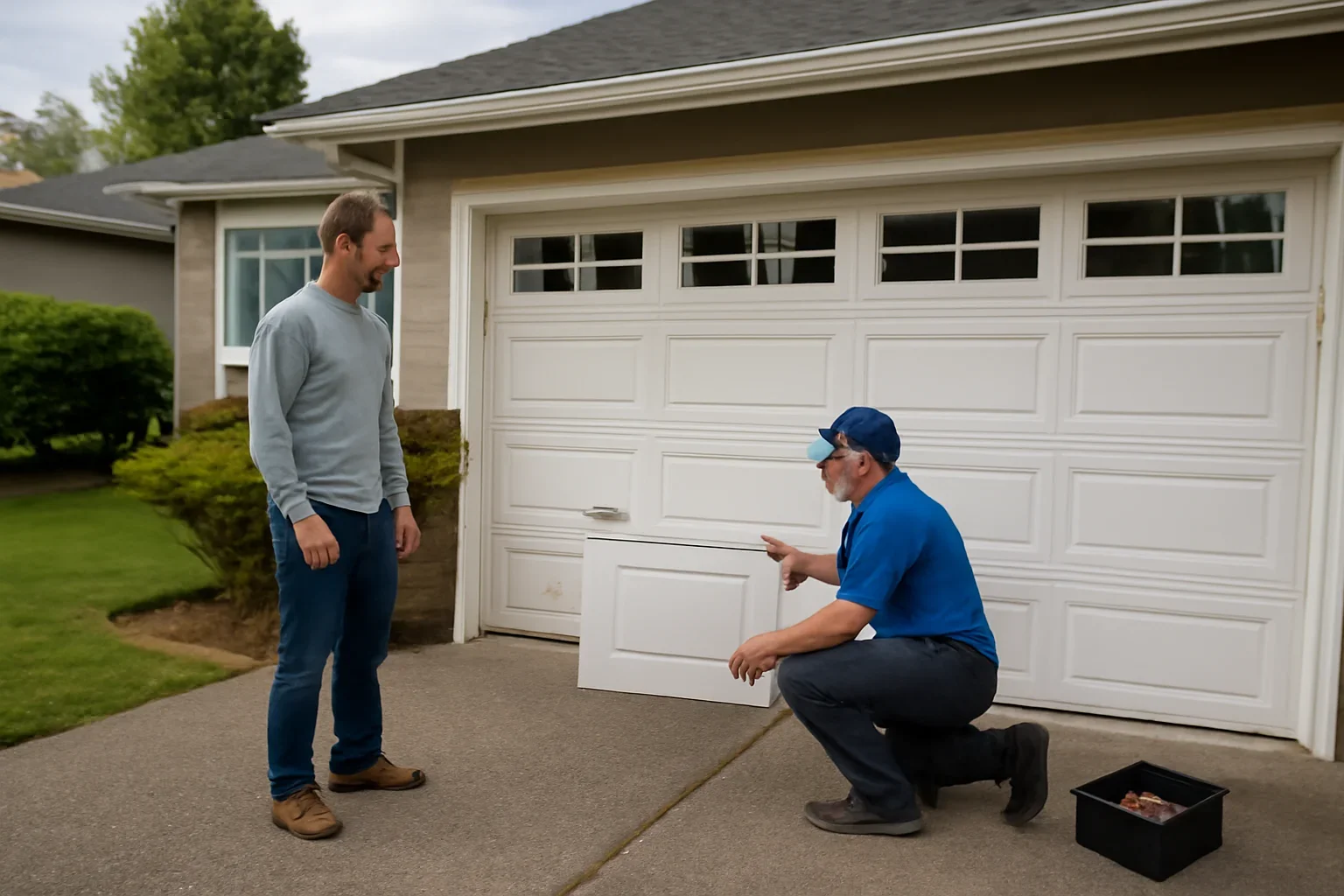
A bent or cracked section may interfere with hinges, rollers, tracks, sealing and the way the door moves through the opening.
Yes, one panel may be replaceable when the manufacturer, model, panel height, design, insulation and connection system can be matched and the remaining door is in good condition. Complete door replacement may be more practical when the model is discontinued, several panels are damaged, the door is structurally distorted or a new section would not integrate reliably with the existing system.
Cosmetic marks may not affect operation, but deeper creases, cracks and edge damage can weaken the section or interfere with connected hinges, rollers and tracks.
Vehicle, bicycle, storage or equipment impact can push a section inward and affect its shape, reinforcement or bottom seal.
A sharp crease or split may reduce panel strength and worsen as the section bends around the curved part of the track.
Bowing, flexing or popping can indicate damage to the panel, reinforcement strut, hinges or attachment points.
A distorted panel may prevent the door from sitting evenly against the frame, weather seal or floor.
A badly bent panel can catch in the tracks, pull on the hinges or shift the rollers. Repeated opener use may increase damage to the door and connected hardware.
Willoughby includes newer planned neighbourhoods with detached homes, row homes and townhouse developments. Many properties use attached garages with modern sectional doors that form a visible part of the home’s front or lane-facing exterior.
In compact townhouse and row-home layouts, garages may open onto shared lanes, short driveways or parking areas with limited manoeuvring room. Lower panels can be exposed to vehicle contact, bicycles, sports equipment, recycling containers and stored items.
Matching appearance can be especially important where garage doors were installed as part of the original development. Panel profile, window layout, colour, texture and decorative hardware may need to remain consistent with neighbouring units or strata requirements.
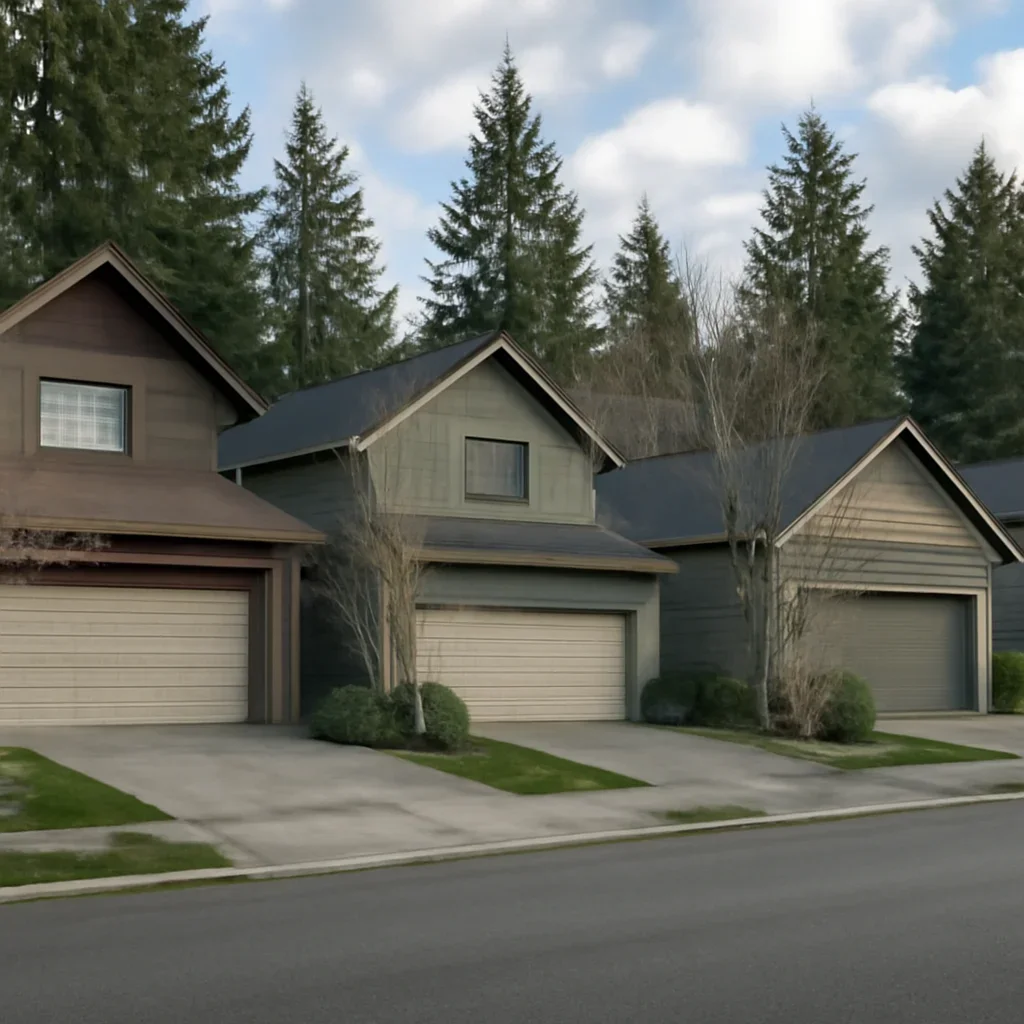
The lowest initial cost is not always the best long-term decision. Compare compatibility, surrounding damage, door age, appearance and the condition of the remaining sections before moving forward.
The surrounding panels, stiles, hinges, rollers and tracks remain serviceable, and the door still operates in a controlled manner.
The manufacturer, model, section height, profile, thickness and connection system can be matched correctly.
The other sections are not showing widespread rust, cracking, delamination, fading or repeated operational problems.
Any colour or finish difference is understood, and the panel remains suitable for the property’s exterior requirements.
Multiple dents, cracks, weakened joints or damaged edges may make individual panel replacement less practical.
An obsolete model, discontinued design or incompatible section may prevent a safe and reliable match.
Impact may have affected the tracks, frame, hinges, reinforcement or overall alignment of the complete door.
Poor insulation, repeated repairs, noise, weak sealing or an outdated appearance may make replacement more valuable.
A photograph can help identify the style and visible damage, but the interior reinforcement, hinges, rollers, tracks and door movement should also be reviewed. Start with garage door repair when the door is also stuck, uneven, noisy or difficult to operate.
The visible section is only one part of the system. Inspection helps identify whether a targeted panel replacement can restore dependable operation.
Identify the panel height, profile, material, insulation, reinforcement and connection points.
Check whether impact bent the hinges, loosened attachment points or moved rollers out of their correct path.
Review both tracks for bends, spacing problems or movement caused by the damaged section.
Determine whether the door remains balanced and whether the opener has been forcing a distorted or restricted door.
Two panels can look similar from the driveway while using different dimensions, construction or attachment systems. Confirming these details reduces the risk of ordering an unsuitable section.
The brand name alone may not be enough. Different product lines can use different panel joints, reinforcement and dimensions.
Section height must fit the complete door layout. Doors of the same overall height may use different combinations of sections.
Raised-panel, flush, carriage-style and modern designs may have different embossing, grooves, edges and decorative details.
A replacement should be compatible with the existing section thickness, weight, insulation and internal reinforcement.
Window inserts, frames, handles and hinges should align with the remaining sections and the overall exterior design.
Even a factory-matched colour may look different beside older sections that have faded, stained or weathered.
You do not need to remove hardware or dismantle the door. Share the information that can be collected safely.
Use clear overview photos rather than close images that require touching or moving damaged components.
Leave panels, hinges, rollers and reinforcement in place. Removing connected hardware can allow the door to shift and may create a more serious alignment or safety problem.
The process begins by identifying the door and damage, then compares available repair and replacement options before parts are ordered.
Confirm which section is affected and whether the door can still move and secure the opening safely.
Check the brand, series, dimensions, panel design, insulation and available product information.
Review single-panel availability, appearance, connected repairs, expected reliability and complete-door replacement.
After service, check alignment, hinge movement, roller travel, balance, sealing and opener performance.
Panel damage can overlap with structural, opener and complete-door replacement concerns. These pages can help you select the next step.
These answers cover panel compatibility, appearance, safety and the information that helps when comparing repair with replacement.
It may be possible when the damage is limited, a compatible panel is available and the remaining door is structurally serviceable. Manufacturer, model, section height, design, insulation and attachment details should be confirmed first.
The factory colour may be correct but still look slightly different beside sections that have faded or weathered. Cleaning, refinishing or comparing complete-door replacement may be worth considering when appearance is a major priority.
A shallow cosmetic dent may not require section replacement. Replacement becomes more relevant when the panel is sharply creased, cracked, bowed, weakened or interfering with door movement.
Look for a label on the inside of the door, near an end stile, edge or hardware area. Do not remove panels or hardware to search for identification. Photos of the exterior design and interior surface may also help.
A compatible substitute may not always exist. When the joint, dimensions, reinforcement or appearance cannot be matched, complete garage door replacement may be the more reliable option.
It can. A bent section may create resistance, causing the opener to strain, stop or reverse. The opener should not be treated as the only problem until the damaged door and connected hardware have been reviewed.
The issue is more urgent when the panel is loose, sharply bent, catching in the tracks, preventing the door from closing or making the garage impossible to secure. Stop operating an unstable door and describe the condition when requesting service.
Some strata properties control exterior colours, designs and visible changes. Check applicable strata requirements before approving a panel or complete-door change, particularly when the garage faces a shared lane or common area.
Include your Willoughby address, photos of the complete door and damaged section, the location of the panel, visible brand details, whether the door still operates and whether the garage can be closed securely.
Share your location, clear photos of the complete door and damaged section, any visible brand information and whether the door still opens, closes and secures the garage. These details help compare panel replacement with complete-door replacement before the next step is confirmed.