The motor runs but the door does not move
The trolley, drive gear, belt, chain, carriage, release mechanism, or connection to the door may be damaged or disconnected.

A garage door opener can fail at the motor, rail, trolley, belt, chain, wall control, remote, keypad, safety sensor, travel setting, or internal drive system. The door itself should also be checked because poor balance or mechanical resistance can make a working opener appear faulty.
Fernridge properties often include longer driveways, detached shops, semi-rural garages, and larger openings used for vehicles, trailers, tools, or equipment. The right repair depends on what the opener is doing, how the door moves manually, the current position, power response, control range, sensor behaviour, and whether connected hardware is creating strain.
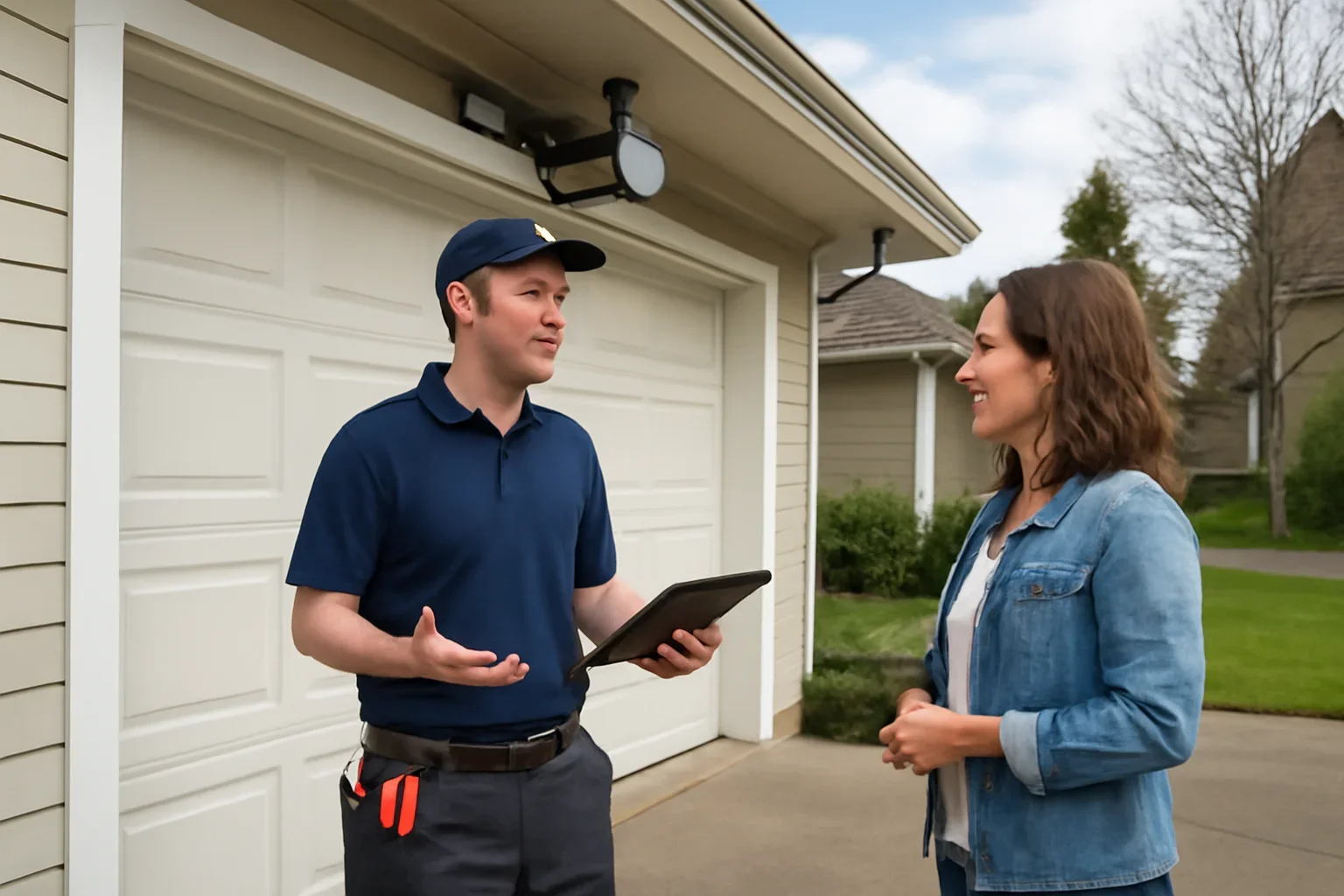
The symptom can help separate a control problem from a motor, rail, sensor, travel, or door-balance issue.
The trolley, drive gear, belt, chain, carriage, release mechanism, or connection to the door may be damaged or disconnected.
Sensor alignment, travel settings, closing resistance, track obstruction, poor balance, or binding hardware may trigger reversal.
A remote, keypad, wall console, battery, programming, lock mode, receiver, or wiring issue may affect one control source.
Electrical response without movement may point to internal drive trouble, a jammed trolley, motor strain, or a door that is too heavy.
Travel limits, rail resistance, spring weakness, cable trouble, roller binding, or an opener load problem may interrupt movement.
Misalignment, dirty lenses, loose wiring, sunlight, vibration, mounting movement, or control-board faults may affect safety response.
An opener is designed to move a balanced door. It should not be used to force a door with broken springs, loose cables, displaced rollers, bent tracks, or unstable sections.
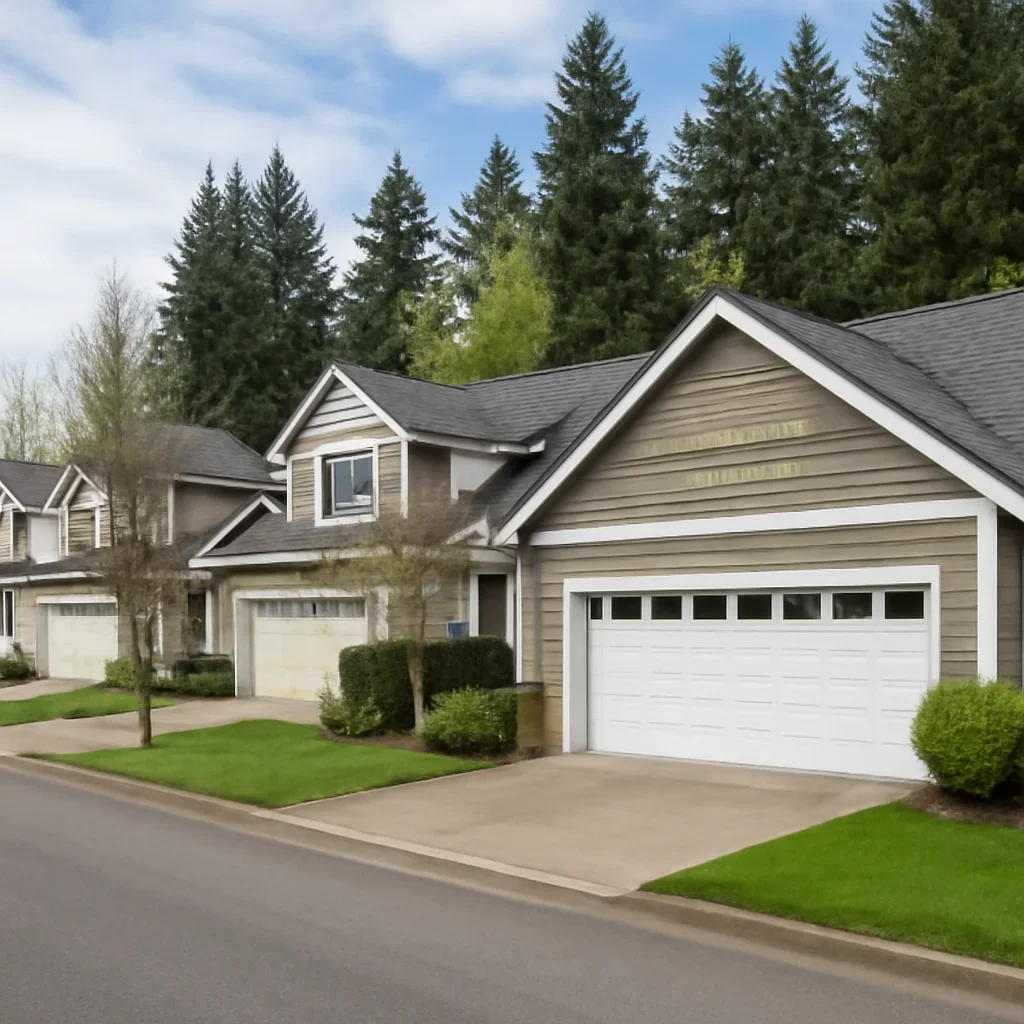
The opener should be diagnosed together with the door. Replacing or adjusting opener parts without checking balance and travel can leave the original strain in place.
The most useful diagnosis identifies whether the failure is in the opener, the controls, the safety system, or the door itself.
Gears, sprockets, drive parts, capacitors, or other internal components may wear and prevent reliable movement.
A damaged trolley, carriage, rail connection, release assembly, or door arm may allow the motor to run without moving the door. Loose mounting can also transfer more vibration into attached living areas.
Loose, worn, broken, or poorly adjusted drive components can create slipping, noise, delayed movement, or complete failure. Drive type and mounting condition also influence how much sound reaches nearby rooms.
Misaligned sensors, wiring problems, dirty lenses, moving brackets, or closing resistance may stop or reverse the door.
Batteries, programming, compatibility, receiver memory, interference, lock mode, or a failed control can affect access.
Incorrect limits can stop the door too early or drive it too far. Force should not be increased to hide mechanical resistance.
Outlet issues, loose wiring, wall-control problems, backup-battery faults, or control-board trouble may prevent normal response.
A weak spring, loose cable, bent track, damaged roller, or poor balance can overload an otherwise functional opener.
The repair process should separate opener faults from door-system problems before parts, settings, or replacement options are approved.
The response from the remote, keypad, wall control, motor, lights, rail, trolley, and door helps narrow the failure.
The opener should not be diagnosed in isolation when the door is heavy, crooked, noisy, off-track, or difficult to move.
Power supply, wall control, lock mode, remotes, keypad, batteries, wiring, receiver response, and programming should be checked.
The motor, rail, trolley, carriage, belt, chain, screw drive, gears, and connection arm should be assessed for wear or failure.
The recommendation should consider part availability, opener age, safety features, repair scope, door compatibility, and ongoing reliability.
After the agreed work, opening, closing, stopping, reversal, sensor response, controls, and door movement should be checked together.
A motor problem and a mechanical door problem can look similar from the driveway. The connected systems should be separated before the repair decision is made.
The springs offset most of the door’s weight. A weak or broken spring can make the opener strain, stop, reverse, or lift only a short distance.
Loose cable, rough rollers, bent tracks, damaged hinges, or panel movement can create resistance that the opener is not designed to overcome.
Sensor alignment, wiring, sunlight, dirty lenses, moving brackets, floor contact, seals, debris, or physical resistance may affect closing and reversal.
A door that works from the wall button but not from another control may need battery, programming, compatibility, receiver, or control-specific diagnosis rather than motor repair.
Repair may make sense when the door is mechanically sound, the failed opener component can be identified, compatible parts are available, and the existing unit remains suitable for the door.
Replacement may be worth comparing when the motor or control system has multiple failures, compatible parts are limited, the rail or drive system is badly worn, safety features cannot operate properly, or the opener is poorly matched to the door.
For a planned upgrade, compare garage door opener replacement or new opener installation rather than continuing unrelated repairs.
The final scope depends on the failure found, the opener design, door condition, parts availability, and whether connected mechanical repairs are needed.
A remote, keypad, sensor, wiring, trolley, rail, belt, chain, gear, motor, or control-board issue involves a different scope.
Belt, chain, screw-drive, wall-mounted, and other compatible systems use different parts and service approaches.
Spring, cable, track, roller, hinge, or panel trouble may need correction before the opener can operate reliably.
Opener age, model, receiver type, rail system, drive parts, and control compatibility affect repair options.
High ceilings, finished garages, storage, low headroom, detached buildings, and blocked work areas can affect service planning.
A focused control or sensor repair differs from replacing the full motor unit, rail system, controls, or opener setup.
Local property type matters because opener load, control range, power access, ceiling layout, door weight, weather exposure, building separation, and daily use can vary across Fernridge properties.
Share whether the garage is attached, detached, shop-based, semi-rural, heated, finished, or used for vehicles, trailers, tools, storage, or equipment. Door width and height, ceiling clearance, current position, gate instructions, driveway surface, power availability, and remote distance also help frame the diagnosis.
Separate buildings may have different power circuits, opener mounting, ceiling heights, remote distances, moisture exposure, and maintenance history.
Wider insulated doors used for trucks, trailers, or equipment need suitable balance, reinforcement, rail support, and opener capacity.
Remote range, antenna position, gate instructions, gravel, mud, parked equipment, and turning space can affect diagnosis and service access.
Moisture, dust, leaves, insects, temperature change, and separate electrical service can affect sensors, wiring, controls, and opener reliability.
An opener issue may be limited to controls or sensors, or it may be caused by a heavy, damaged, or unbalanced garage door.
Do not force the door or change high-tension hardware. From a safe position, note:
Routine garage door inspection can identify poor balance, weak springs, cable wear, rough rollers, track resistance, loose hinges, sensor movement, and opener strain before automatic operation becomes unreliable.
Do not increase force settings to push through a mechanical problem. Keep the sensor area clear, replace control batteries when needed, and stop using the opener when the door becomes heavy or uneven.
These answers explain opener symptoms, connected door issues, repair decisions, and what helps before an appointment.
Opener repair is more urgent when the door is stuck open, will not secure the garage, stops while partly raised, moves unpredictably, or the opener keeps straining against a heavy, crooked, or damaged door. Stop using the opener if the door looks unstable.
The trolley, carriage, door arm, release mechanism, belt, chain, internal gear, or drive connection may be damaged or disconnected. The door should also be checked for a broken spring or other condition that makes it too heavy to move.
Possible causes include misaligned sensors, loose wiring, dirty lenses, an obstruction, incorrect travel settings, floor or seal resistance, track binding, or a door that is not balanced. Force should not be increased before mechanical resistance is ruled out.
Yes. A weak or broken spring can leave the door too heavy for the opener. The motor may hum, stop, reverse, or lift only a few inches even when the opener was not the original cause.
Short range can involve weak batteries, antenna position, receiver memory, interference, damaged controls, building materials, distance from a detached shop, or an opener-board issue. Compare the wall control and other remotes before assuming the motor has failed.
Replacement may be worth comparing when several major components are failing, compatible parts are limited, safety functions cannot work correctly, the rail or drive system is badly worn, or the opener is poorly matched to the door.
Share the Fernridge location, building type, door width and height, current position, opener model, power response, motor sounds, light behaviour, which controls work, remote range, sensor-light status, where the door stops or reverses, gate and driveway details, and whether the door feels heavy or rough.
Use the contact page for questions about symptoms, controls, access, urgency, or whether opener repair is the right service. Do not repeatedly operate an opener that is pulling against an unstable or heavy door.
Send the property type, door width, current position, opener model, motor and light behaviour, controls that work, sensor status, stopping or reversal point, and whether the door feels heavy, crooked, or rough. Include photos when safe.