Door balance
The springs and cables should support the door correctly so the opener is not being asked to lift the full door weight.

A new garage door opener should match the door’s weight, balance, height, track layout, reinforcement, ceiling clearance, electrical supply, control needs, and daily use. Installing a stronger motor does not correct a heavy, damaged, or poorly balanced door.
Fort Langley homes often include attached garages, finished ceilings, carriage-style doors, decorative windows, insulated sections, and nearby living space where quiet, smooth operation matters. The opener, rail, trolley, mounting, safety sensors, controls, and door system should be planned together.
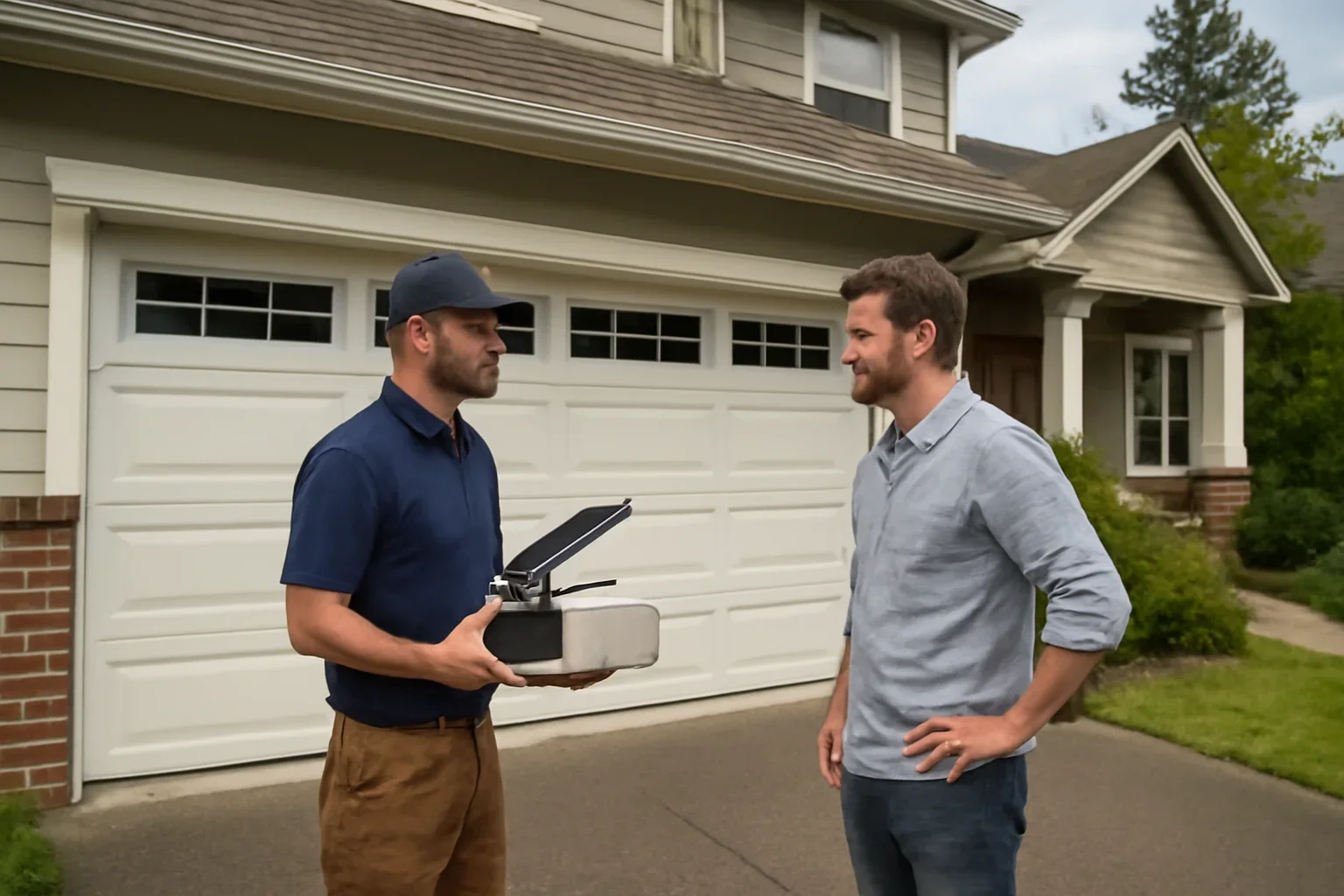
The opener is designed to move a properly supported and balanced garage door. Door condition and compatibility should be confirmed before equipment is selected.
The springs and cables should support the door correctly so the opener is not being asked to lift the full door weight.
Single, double, insulated, reinforced, windowed, wood, carriage-style, and custom doors place different loads on opener systems.
Door height, track type, headroom, backroom, ceiling slope, beams, lighting, storage, and finished drywall affect the rail and mounting plan.
The opener arm and top bracket need suitable support so repeated pulling does not bend or crack the upper section.
Outlet location, circuit condition, ceiling access, wiring, lighting, and backup-power goals should be reviewed before installation.
Wall controls, remotes, keypad, vehicle controls, connected features, guest access, and remote range should match how the garage is used.
An opener may hide a balance problem for a short time, but extra load can strain the motor, rail, trolley, belt, chain, brackets, panels, and controls.
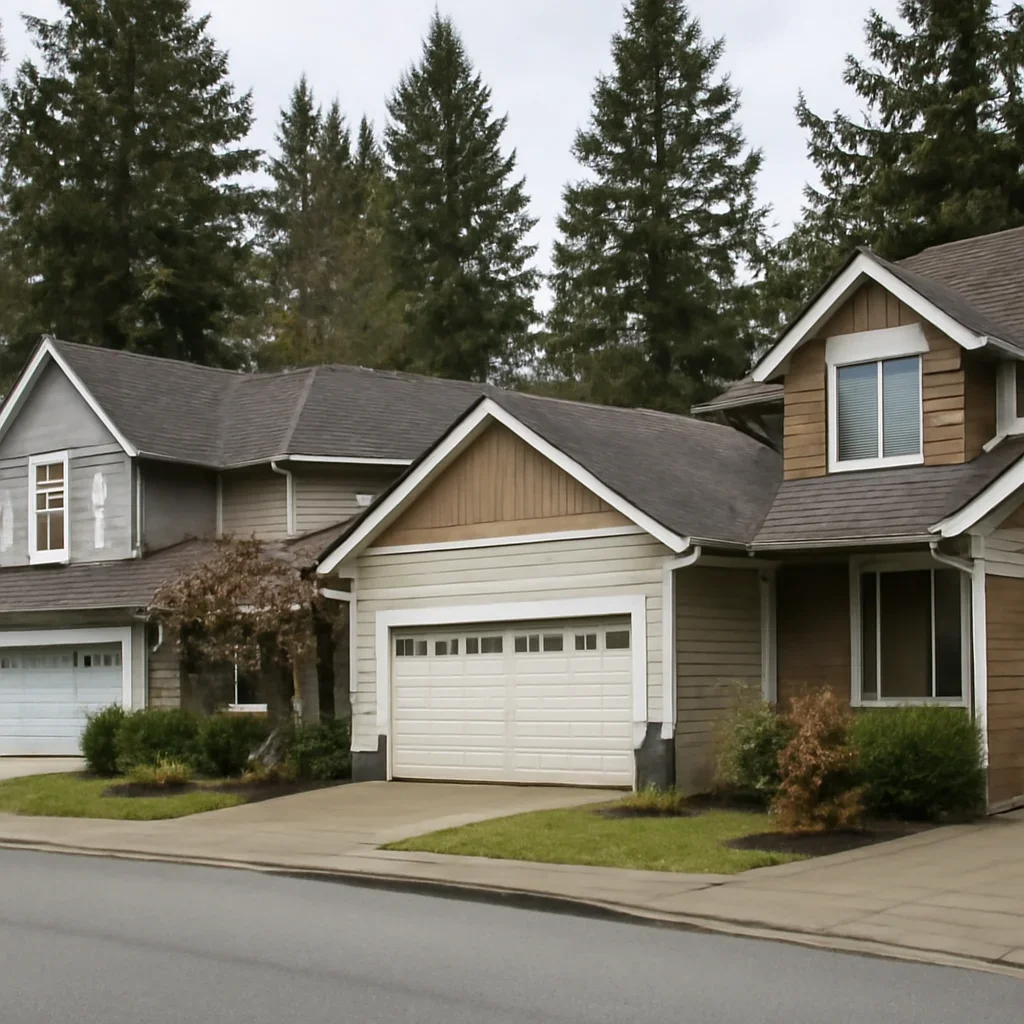
Motor rating is only one part of opener selection. Rail length, drive type, mounting, controls, sensors, reinforcement, and door condition all matter.
The best option depends on the door, ceiling, garage layout, noise goals, controls, and long-term serviceability.
Belt systems are often considered where smoother and quieter operation matters, especially near living space.
Chain systems use a metal drive and may suit installations where operating noise is less important than the overall setup.
Side-mounted systems may free ceiling space but require a compatible torsion-shaft setup, side clearance, power, and door balance.
Standard and taller doors may need different rails, travel, mounting positions, and opener-arm geometry.
Backup capability may be useful where continued access during a power interruption is an important planning goal.
Integrated lighting, placement, brightness, and ceiling layout can affect visibility around vehicles, storage, and entrances.
Household users, guests, service access, vehicle controls, range, memory, and programming needs should be considered.
App control, alerts, access history, integrations, and network coverage may matter, but basic safe operation should remain the priority.
The exact process depends on the opener, door, tracks, ceiling, electrical supply, reinforcement, and control requirements.
Balance, springs, cables, tracks, rollers, hinges, panels, reinforcement, seals, and manual movement are reviewed.
Drive type, rail length, controls, power, lighting, backup, compatibility, and mounting requirements are checked.
The header, ceiling supports, opener rail, motor position, top bracket, strut, and arm geometry are considered together.
Wall control, safety sensors, wiring, remotes, keypad, and other supported controls are positioned and connected.
Opening and closing travel, force response, sensor alignment, reversal behaviour, and floor position are adjusted to the door.
Manual release, wall control, remotes, keypad, lighting, sensors, travel, noise, vibration, balance, and sealing are checked.
Noise can come from the opener, but rollers, hinges, tracks, balance, mounting, door construction, and the building itself also affect what is heard indoors.
A quieter drive system may help, but loose mounting, poor ceiling support, an uneven rail, or vibration transfer can still create noticeable sound.
Rough rollers, dry hinges, bent stems, loose fasteners, and track contact can remain noisy even after a new opener is installed.
A heavy or poorly balanced door makes the opener work harder and can increase vibration, travel noise, and wear.
Bedrooms, family rooms, home offices, and finished spaces near or above the garage may make mounting and quiet-operation goals more important.
Installation may make sense for a new garage door, a manually operated door, a garage without an opener, or a planned upgrade where the door is already balanced, structurally sound, and compatible.
A new opener should not be installed as the first response to a heavy, crooked, off-track, damaged, binding, or unstable door. The mechanical problem should be corrected before automatic operation is added.
For a failing existing opener, compare installation with garage door opener repair or garage door opener replacement. For door-system problems, start with garage door repair.
Exact pricing depends on the opener, rail, controls, door condition, reinforcement, ceiling, electrical access, removal needs, and any connected repair work.
Drive system, rail length, controls, lighting, battery backup, keypad, remotes, and connected features affect the equipment scope.
Single, double, insulated, reinforced, windowed, wood, carriage-style, and custom doors may need different opener support.
Low headroom, high ceilings, beams, slopes, finished drywall, lighting, storage, and non-standard tracks can change installation planning.
Top brackets, struts, header support, ceiling framing, angle supports, rail position, and door-arm geometry may need attention.
Outlet location, circuit, wall-control wire, sensor wire, damaged wiring, network coverage, and control placement can affect the scope.
Old motor units, rails, brackets, wiring, controls, accessories, damaged parts, and disposal may affect the project.
Local context matters because carriage-style doors, decorative windows, insulated sections, finished ceilings, nearby living space, older framing, detached garages, and narrow residential access can all influence opener selection and installation.
Share whether the priority is quiet operation, reliable daily access, a new keypad, more remotes, backup power, connected controls, improved lighting, or a better match for a newly installed door.
Decorative overlays, windows, insulation, wood-look finishes, and reinforcement can change door weight and opener requirements.
Nearby living space, finished ceilings, storage, lighting, quieter-operation goals, and limited mounting access can affect the plan.
Mixed-age doors, newer panels, older tracks, changed framing, added insulation, and updated electrical work should be checked together.
Separate buildings may need attention to power, remote range, keypad access, weather exposure, security, and less frequent inspection.
A complete opener project may also involve replacement of an older unit, control programming, sensor service, or a new garage door.
Photos and basic details help with early compatibility planning.
These answers explain compatibility, quiet operation, carriage-style doors, electrical needs, controls, sensors, older doors, and what helps before an estimate.
The suitable opener depends on door width, height, weight, construction, insulation, windows, reinforcement, spring balance, track layout, rail length, and daily use. Motor rating should not be selected without checking the door system.
A belt-drive system is often considered where lower operating noise matters, but rollers, hinges, tracks, balance, door construction, mounting, and vibration transfer also affect what is heard inside the home.
Often, but the door must be properly balanced and reinforced. Decorative overlays, windows, insulation, wood construction, top-section design, track layout, and final weight can affect the opener, rail, bracket, and spring requirements.
Possibly, when the older door remains structurally sound, balanced, aligned, and compatible. Springs, cables, rollers, hinges, tracks, panels, reinforcement, seals, and manual movement should be checked before automatic operation is added.
Many ceiling-mounted systems require a suitable electrical supply near the motor location. Outlet position, circuit condition, wiring, lighting, ceiling finish, and local electrical requirements should be considered during planning.
Compatible safety sensors are part of the closing-protection system for modern openers. Their height, brackets, wiring, alignment, indicator lights, beam path, and reversal response should be set and tested with the opener.
Supported remotes, keypads, vehicle controls, wall controls, and connected features can be considered during installation. Compatibility, household access, range, memory, network coverage, and account setup may affect the final configuration.
Share the Fort Langley location, building type, door width and height, construction, balance concerns, ceiling layout, outlet location, existing opener details, preferred drive type, noise goals, controls, backup-power needs, driveway access, and clear photos when safe.
Send the building type, door width and height, construction, insulation, windows, balance concerns, ceiling layout, outlet location, existing opener details, preferred drive type, quiet-operation goal, controls, backup-power needs, driveway access, and clear photos of the door, ceiling, tracks, outlet, and garage.