Bent or misaligned tracks
Track repair may be needed when the vertical or horizontal track is bent, loose, shifted, rubbing the rollers or no longer keeping the door moving evenly.
Book track assessment
Get practical help for bent, rubbing, obstructed or misaligned garage door tracks in Milner, especially when the door is noisy, uneven, stuck, shaking or no longer closing smoothly.
Track problems can look simple from the outside, but the cause may involve rollers, hinges, cables, brackets, door balance, floor slope or impact damage. Milner properties can include attached garages, detached shops, older doors and rural-style driveways where daily use, moisture, debris and vehicle contact can all affect the track path.
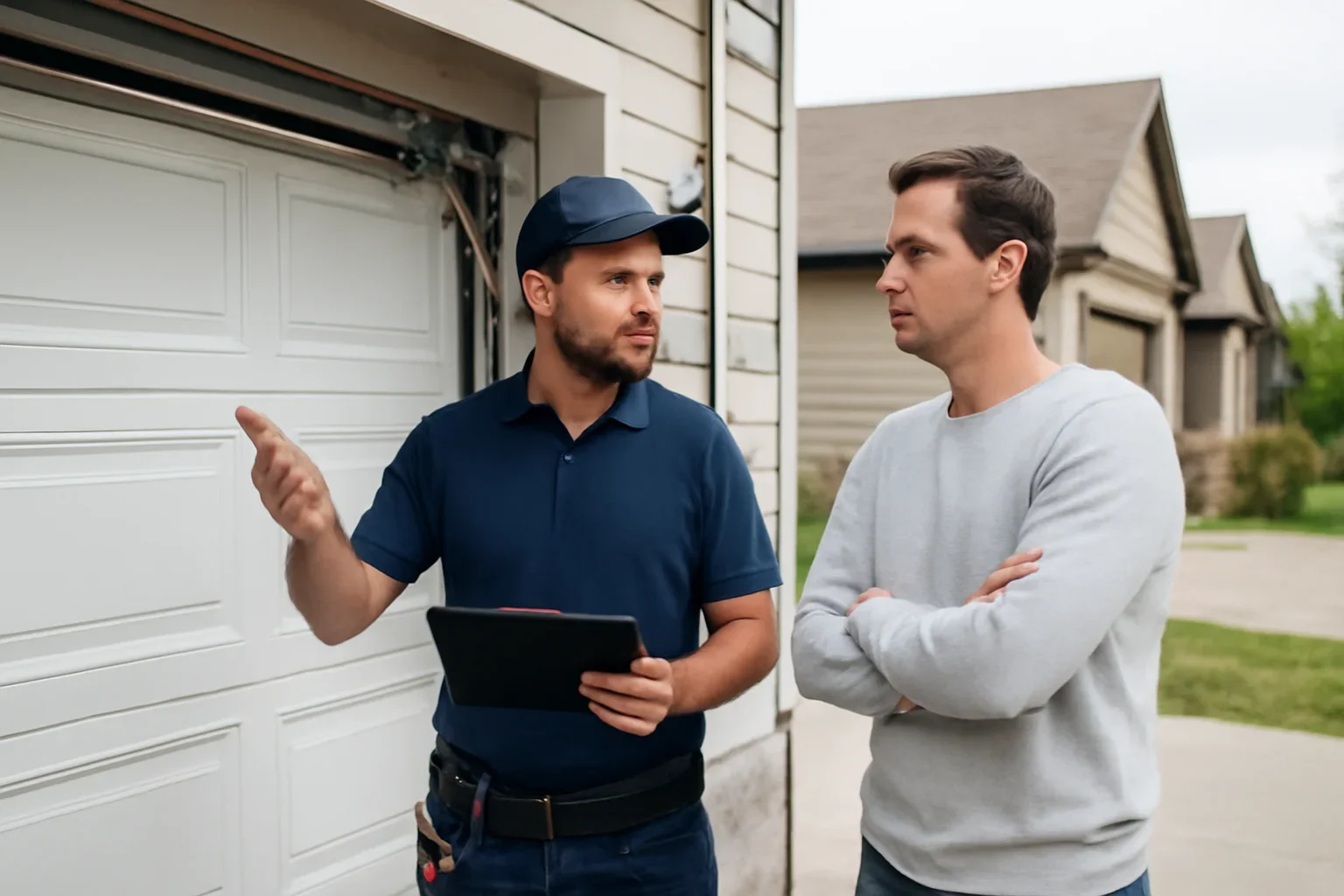
Book service when the door drags, scrapes, shakes, catches on one side or does not travel smoothly through the track.
Review closing issues when the door reverses, stops short, sits unevenly or appears to meet resistance near the track.
Check same-day repair when the door is stuck open, stuck closed, hanging unevenly or preventing you from securing the garage.
The track guides the door, but it works together with the rollers, hinges, brackets, cables, springs and opener. A proper repair should identify why the door moved out of its normal path instead of only pushing the track back into place.
Track repair may be needed when the vertical or horizontal track is bent, loose, shifted, rubbing the rollers or no longer keeping the door moving evenly.
Book track assessmentWorn rollers, damaged hinges or loose brackets can make the door look like it has a track problem even when the track is only part of the issue.
View garage door repairIf the door stops, reverses, shakes or closes unevenly, the track, opener force, sensors, rollers and door balance may all need to be reviewed.
Review opening problemsA track issue becomes more urgent when the door is stuck, crooked, hanging off the track or unable to secure the garage opening.
Check same-day repairSend photos of both tracks, the rollers, the full door from inside the garage and the side where the door is rubbing. This helps separate track damage from roller, hinge, opener or balance issues.
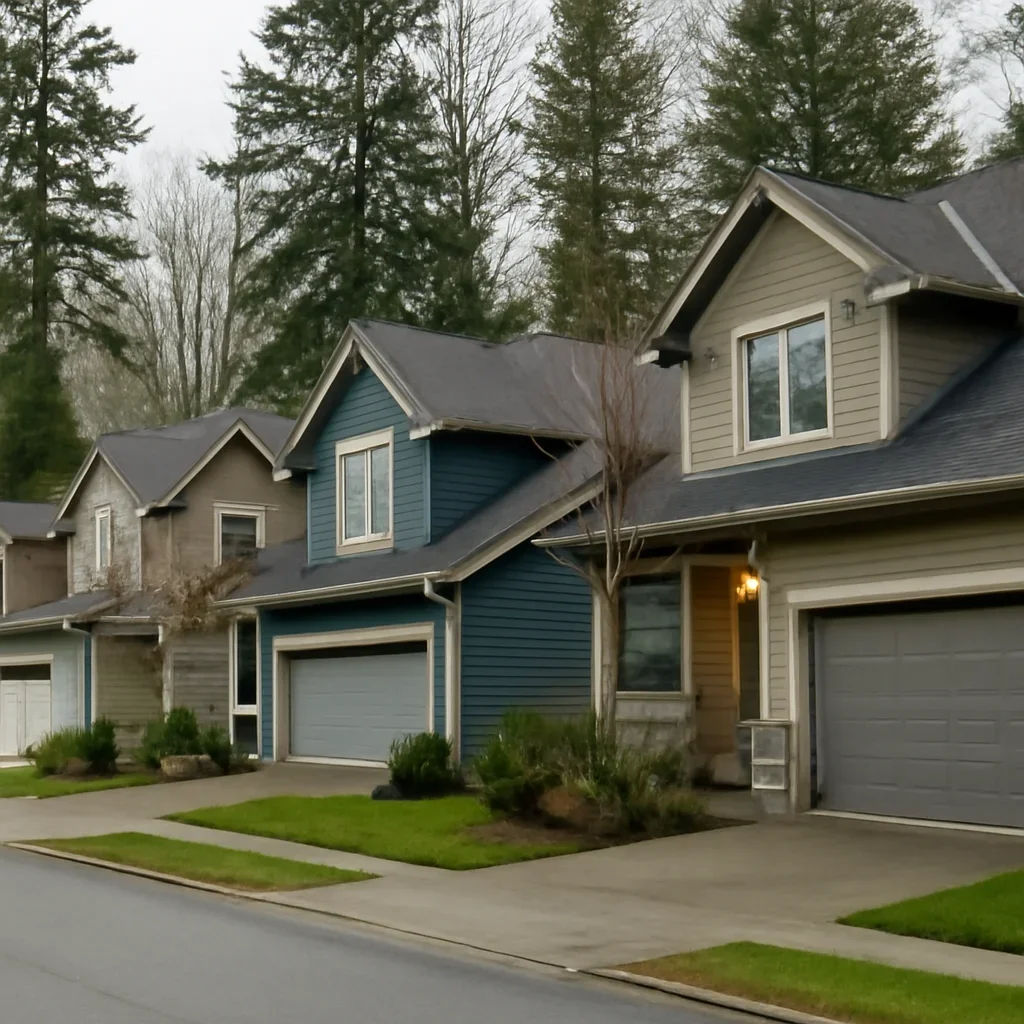
Milner includes a practical mix of established homes, newer residential pockets, detached garages, workshops and properties where the garage is used for more than parking. That can affect how often the door cycles, how much debris enters the track area and how important reliable access is.
On older garage doors, track concerns may be connected to worn rollers, loose fasteners, aging hinges or repeated strain from a heavy door. On detached garages and shop-style spaces, impact damage, moisture, dirt and daily equipment access can contribute to rubbing or misalignment. A useful repair recommendation should look at the full door system, not only the visible bend.
If the door is crooked, hanging unevenly or appears to be off track, stop using it until it is reviewed. Continued operation can bend hardware, damage panels or put extra strain on the opener.
Track issues often start with small changes in movement or sound. Paying attention early may help prevent the door from jamming, pulling out of alignment or damaging connected hardware.
Scraping, grinding or visible rub marks can point to track alignment, worn rollers, loose brackets or door balance problems.
One side may sit lower, bind during travel or appear closer to the track than the other side.
Rollers that jump, wobble or resist movement can damage the track and make the door harder to operate.
If the opener sounds like it is working harder, the door may be meeting resistance from the track, rollers or balance system.
Do not force a crooked, jammed or off-track garage door. The door may shift suddenly or cause further damage to rollers, brackets, panels, cables or the opener. Book service before continuing regular use.
The goal is to confirm whether the track itself is damaged or whether another part of the door system is forcing the door out of its normal path.
Note whether the issue happens near the floor, halfway up, at the curve, near the opener rail or only on one side.
Tracks, rollers, hinges, brackets, cables, springs, sensors and opener behaviour should be considered before choosing the repair path.
Some track issues can be corrected with adjustment or parts replacement. More serious damage may require broader door repair or replacement planning.
Track repair may be appropriate when the door sections are still in good condition and the issue is limited to alignment, minor bending, loose brackets or roller movement.
Track problems can be a symptom of impact damage, a heavy or unbalanced door, worn hardware, damaged panels or repeated strain from continued use.
These related pages can help you decide whether the issue is routine track repair, a general garage door repair concern or something that needs faster attention.
Track issues are easier to review when the request includes details about movement, sound, door position and visible damage.
These answers help you understand when a track issue is likely a simple repair and when the full garage door system should be checked.
It is urgent when the door is stuck, crooked, hanging unevenly, off track, unable to close or no longer securing the garage. Stop using the opener and book service before the issue causes more damage.
Minor track bends or loose brackets may be repairable, depending on the damage and whether the rollers and door sections are still moving correctly. Severe bending, impact damage or repeated misalignment may require part replacement.
Rubbing can come from track alignment, worn rollers, loose brackets, damaged hinges, an uneven door, door balance problems or a shifted section. The cause should be checked before forcing the door.
The opener may not be the original cause, but continuing to run the opener when the door is jammed or misaligned can add strain and make the damage worse. The door should move properly by hand before opener operation is considered reliable.
No. A garage door is heavy and the track works with rollers, cables, springs and brackets. Forcing the track or door can create safety risks and additional damage.
Send photos of the full garage door from inside, both vertical tracks, the curved track area, the rollers, brackets and the exact spot where the door rubs or stops. Mention whether the door is open, closed or stuck.
Tell us what the door is doing, where it catches and whether the garage is currently secure. Photos of the tracks and rollers help confirm whether the next step is adjustment, part replacement, general repair or same-day service.