01
Repair compatibility
Existing doors may need compatible panels, rollers, tracks, springs, seals, sensors, or opener parts.
Explore Garage Door Repair
Explore the features that affect garage door comfort, appearance, security, noise, weather protection, daily operation, and long-term value.
The best feature package depends on the property, opening size, garage use, door weight, opener compatibility, design goals, and budget. This page helps separate essential features from optional upgrades.
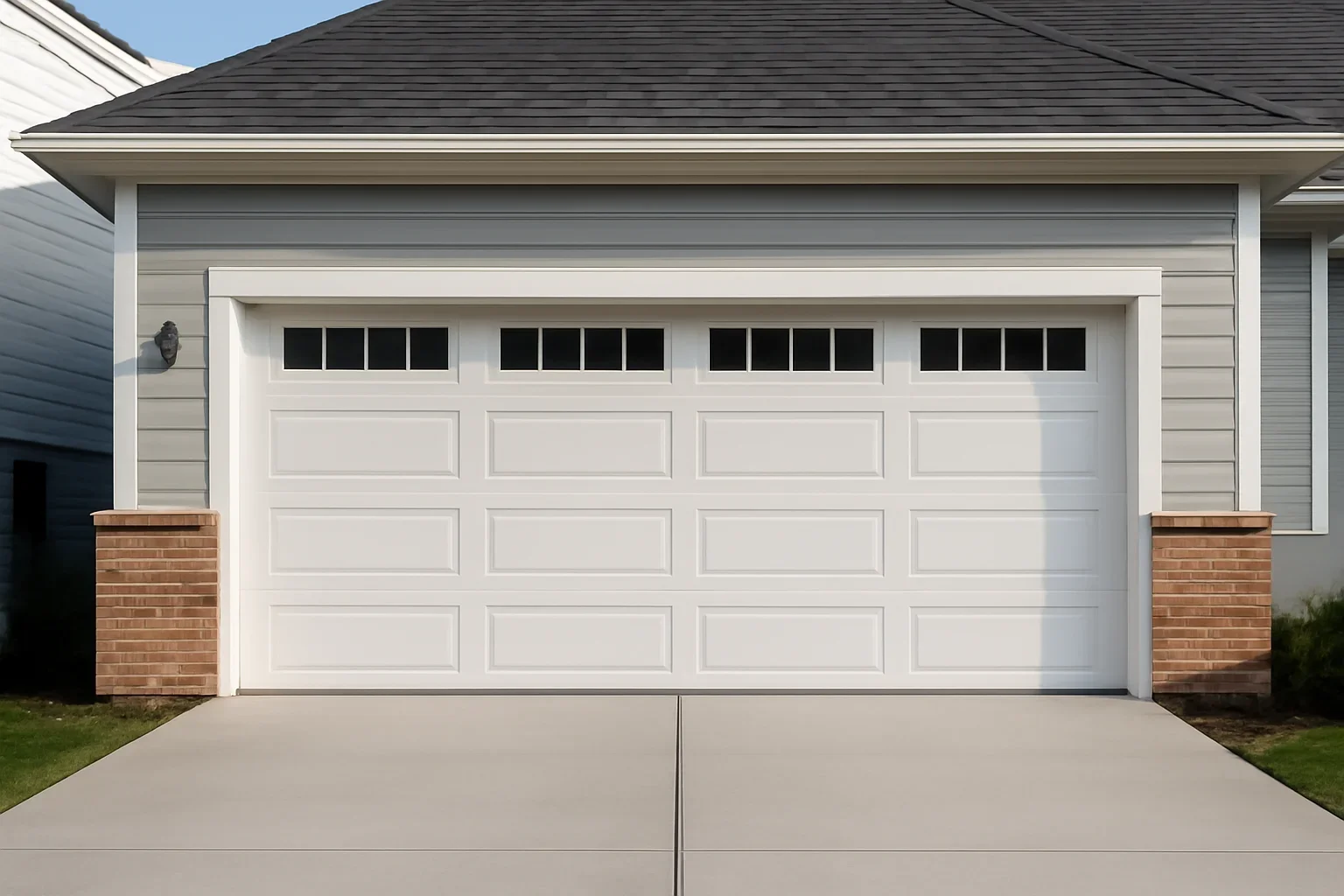
Some homeowners care most about quiet operation. Others need better weather sealing, stronger panels, modern controls, improved appearance, or reliable access for a workshop or commercial space.
Existing doors may need compatible panels, rollers, tracks, springs, seals, sensors, or opener parts.
Explore Garage Door RepairCompare construction, insulation, finish, windows, hardware, and opener requirements before installation.
Explore Door InstallationReview drive systems, controls, lighting, backup power, connectivity, and compatibility with the door.
Explore Opener InstallationProperty type, weather exposure, garage use, and service location can all affect the right feature mix.
View Langley Service AreasGarage door construction affects weight, durability, insulation, noise, maintenance, appearance, and opener requirements.
A simpler construction that may work for detached garages or projects where insulation is not the main priority.
Usually combines an exterior door skin with insulation to improve comfort and reduce hollow panel noise.
Adds an interior backing layer that can improve panel strength, appearance, and protection for the insulation.
May include custom sizes, full-view sections, decorative overlays, or other construction suited to a specific property.
Insulation and sealing features can make a noticeable difference when the garage is attached to the home, used as a workspace, or exposed to wind and moisture.
Insulated construction can reduce heat transfer, improve panel rigidity, and make operation feel less hollow or noisy.
The bottom seal helps close the gap between the door and floor. Its performance depends on seal condition, door alignment, and the shape of the garage floor.
Side and top seals help reduce wind, moisture, light, and debris around the edges of the opening.
Some door systems use construction details intended to reduce direct heat transfer through panel materials and section joints.
Well-designed joints can help reduce air movement between sections and may also improve finger protection.
Existing doors may benefit from new weather seals when gaps, cracking, flattening, or moisture entry become noticeable.
Explore Weather-Seal ReplacementShort, long, flush, carriage-style, and contemporary panel patterns create different levels of detail.
Factory colours, wood-look finishes, and custom finish options can help coordinate the door with the exterior.
Windows may be placed across the top section, in vertical arrangements, or in custom layouts depending on the door design.
Clear, tinted, frosted, or textured glass can balance natural light, privacy, and appearance.
Handles, hinges, and accent pieces can support a carriage-style appearance without changing how the sectional door operates.
The garage door often takes up a large part of the front exterior. Design choices should work with the property while still supporting safe movement, practical maintenance, and suitable opener operation.
The opener should be selected for the door, ceiling layout, usage, desired noise level, control preferences, and available electrical setup.
Belt, chain, screw, wall-mount, and other opener designs can differ in sound, maintenance, space use, and application.
The opener must be suitable for the door’s size, weight, balance, construction, and operating needs.
Compatible systems may allow app-based status checks, alerts, remote control, access management, or scheduling.
A compatible backup system may allow limited opener operation during a power interruption.
An exterior keypad can provide controlled access without requiring a handheld remote.
Integrated lighting can improve visibility when entering the garage or moving between the garage and home.
Remotes may need programming, replacement, compatibility checks, or troubleshooting when they stop responding.
Explore Remote ProgrammingKeypads may require programming or replacement when codes are forgotten, controls are reset, or compatibility changes.
Explore Keypad ProgrammingSafety features work best when the door is balanced, hardware is in suitable condition, sensors are aligned, and the opener is correctly matched and adjusted.
Photoelectric sensors help the opener detect an obstruction across the doorway and can prevent normal closing when alignment or wiring is incorrect.
Properly set travel and force controls help the opener respond when the door meets resistance during closing.
The release system allows the door to be disconnected from the opener when manual operation is required, provided the door itself is safe and balanced.
Springs, cables, rollers, tracks, hinges, fasteners, and brackets all contribute to controlled door movement.
A smart opener, new remote, or upgraded control cannot solve a broken spring, damaged cable, off-track door, poor balance, or structural panel problem. The door should operate correctly before new controls or convenience features are relied on.
Routine inspection can help identify seal wear, sensor alignment, roller condition, loose hardware, unusual noise, opener strain, and balance changes before they become larger problems.
Explore Garage Door MaintenanceA useful feature package solves real needs instead of adding upgrades that do not improve the property.
Quiet operation, insulation, perimeter seals, secure controls, lighting, and reliable daily access may be high priorities.
Noise, appearance guidelines, access coordination, shared rules, opening dimensions, and approved finishes may affect the choice.
Door size, ceiling height, vehicle clearance, opener type, weather exposure, power availability, and usage patterns may matter more.
Opening condition, existing tracks, framing, older hardware, replacement-part compatibility, and updated safety features should be reviewed.
Operating cycles, dependable access, door size, security, control methods, maintenance planning, and downtime can guide the feature choice.
Panel design, windows, finish, decorative hardware, opener compatibility, and long-term maintenance should be considered together.
The most useful features depend on the property. Good weather sealing, suitable insulation, reliable hardware, correctly matched opener equipment, safety sensors, and practical controls often provide more daily value than purely decorative upgrades.
Not necessarily. The right insulation level depends on whether the garage is attached, heated, used as a workspace, exposed to weather, and included in the project budget. Perimeter sealing and installation quality also matter.
Sometimes, but compatibility, panel design, section strength, added weight, appearance, and available matching inserts must be checked before modification.
No. Opener selection depends on door size, weight, balance, track setup, ceiling layout, lifting requirements, usage, and manufacturer compatibility.
Security depends on the product, account settings, network protection, access management, software support, and how the controls are used. Strong account security and careful access sharing are important.
You can begin with your priorities rather than exact products. Share how the garage is used, the problems you want to solve, the preferred appearance, and the budget range so suitable options can be compared.
Use the garage door support page for general guidance, or request an estimate when you are planning installation or replacement.
Share the property type, opening, garage use, preferred appearance, comfort goals, opener needs, and budget priorities so the options can be narrowed down.